The Science of Marinades
Marinades are often expected to do too much. They can’t fix poor meat, rushed cooking, or heavy-handed seasoning. What they can do, beautifully, is support good decisions. They can add flavour, improve browning, and help texture, but only when you understand what’s actually happening.
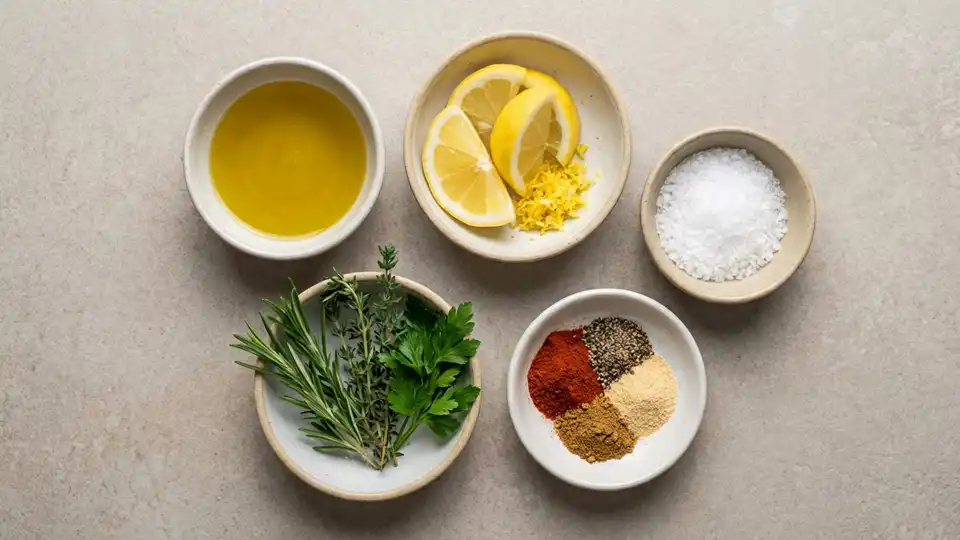
A marinade is a relationship between salt, fat, acid, and time. Get those four things in balance and food improves quietly and reliably. Get them wrong and things fall apart just as quickly.
What a marinade actually does
Most marinades affect the surface more than the centre. That’s not a flaw, it’s just reality. The surface is where browning happens, where texture forms, where flavour concentrates.
The best marinades:
- Season effectively (salt)
- Carry flavour (fat)
- Brighten and soften (acid, used carefully)
- Give time for those effects to happen (time)
Salt: the real engine
Salt penetrates further than most ingredients. It seasons meat more deeply and helps proteins hold onto moisture during cooking. This is why properly salted kebabs stay juicy even on a hot grill.
If a marinade tastes great but the kebab tastes bland, it’s often because salt was too low or uneven.
Fat: flavour carrier and protection
Oil, yoghurt, and other fats carry fat-soluble flavours from spices and aromatics. They also help protect the surface from drying during cooking, and they encourage even browning.
A marinade with no fat often tastes sharp and doesn’t grill as well.
Acid: useful, but easy to overdo
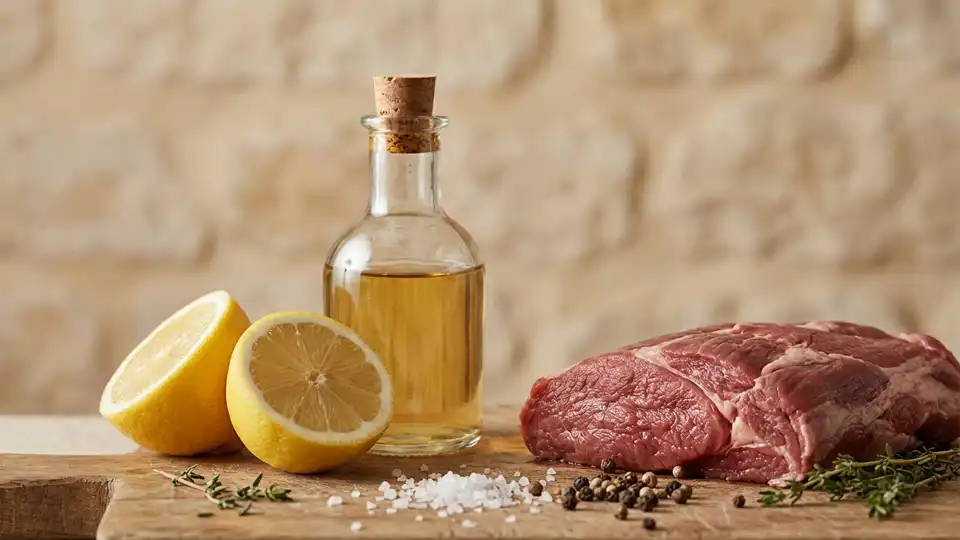
Acid brightens flavours and can slightly soften the surface, but too much acid or too long in acid can make meat chalky or mushy. This is especially true for chicken and seafood.
Think of acid as a seasoning tool, not a tenderiser.
Enzymes: powerful and fast
Pineapple, papaya, and sometimes ginger contain enzymes that break down proteins quickly. They can be useful, but they’re easy to overdo, so short times are essential.
Time: more isn’t always better
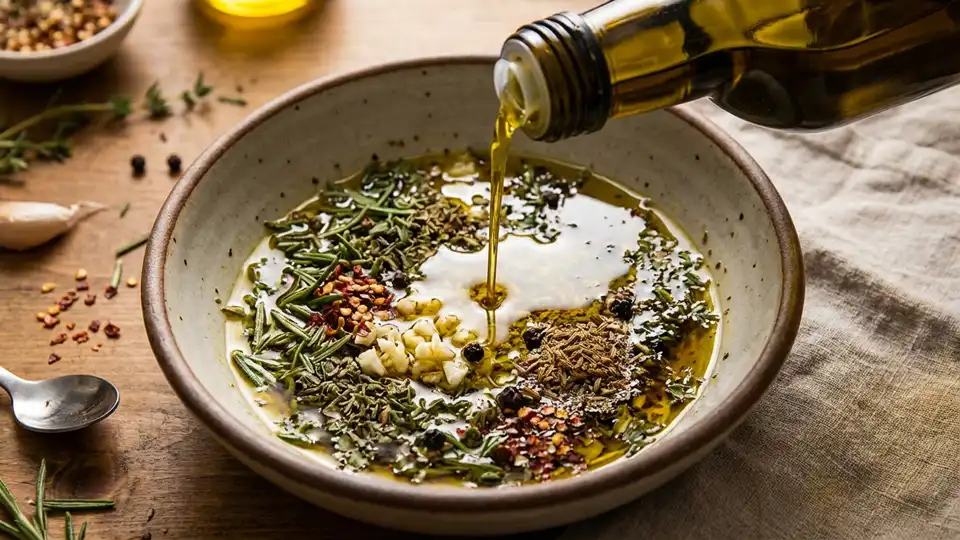
Longer doesn’t always mean tastier. Past a certain point you’re increasing the risk of texture issues without gaining much flavour.
As a general guide:
- Fish: 15–30 minutes
- Veg: 15–60 minutes
- Chicken: 2–12 hours
- Lamb/beef: 1–4 hours
Marinade vs brine vs rub
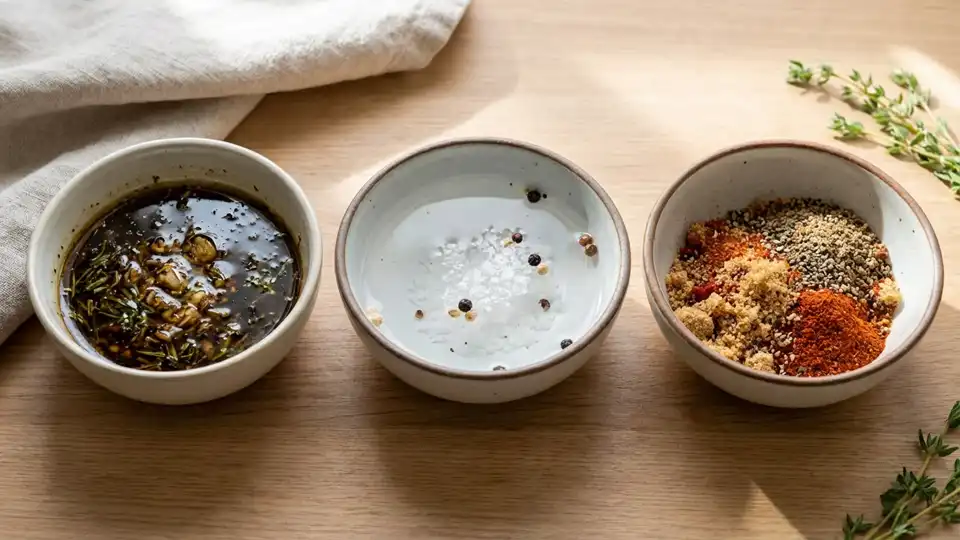
- Brine is salt and water for moisture and seasoning
- Marinade is salt plus fat and flavour
- Rub is surface seasoning without liquid
Knowing which tool to use makes your kebabs more consistent.
How long should meat be marinated?
Depends on the protein. Fish is short, chicken longer, red meat often needs less than you think.
Do marinades penetrate deeply?
Not much. Most flavour stays near the surface. Salt penetrates more than other elements.
Can you over-marinate meat?
Yes, especially with acids or enzymes. Texture can become mushy or chalky.
Are marinades always necessary?
No. Some kebabs cook better with a dry rub and proper seasoning right before grilling.