How to Make Flatbreads at Home (Simple, Authentic & Foolproof)
Flatbreads are the kind of food you only notice when they’re good.
When made well, they’re warm, soft, lightly charred and flexible enough to wrap without tearing. They don’t just carry a kebab, they complete it. When they’re not, they’re dry, stiff, and forgettable, the sort of bread you chew politely while wishing you hadn’t bothered.
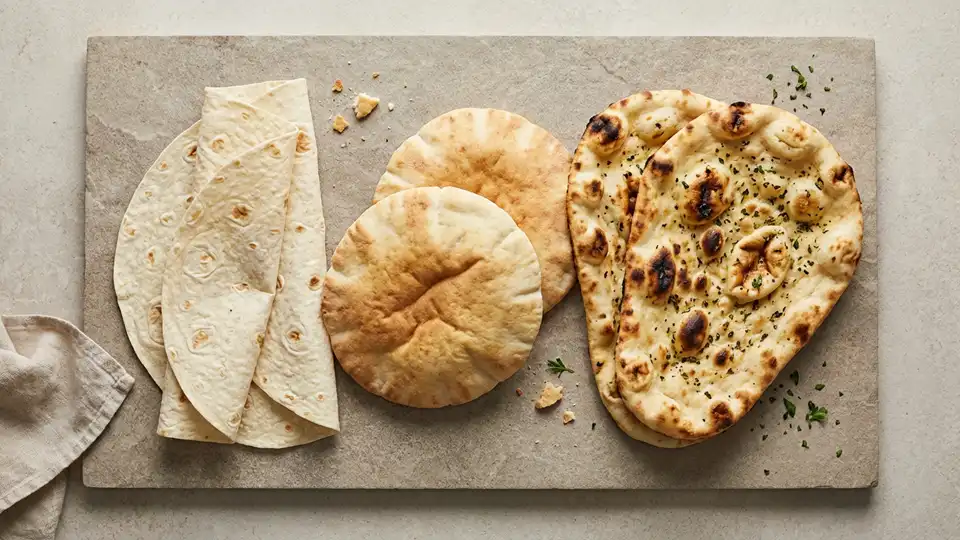
What makes flatbreads special is how little they ask of you. A few ingredients, a hot surface, and a short amount of time. No fancy kit. No long fermentation required. Just dough, heat, and attention.
What defines a flatbread?
Flatbreads are breads cooked without a big rise. Some are unleavened (no yeast), some are yeasted, and some use yoghurt or baking powder to add softness. They exist in countless cultures because they’re practical and fast, and because they taste brilliant when cooked properly.
The core ingredients
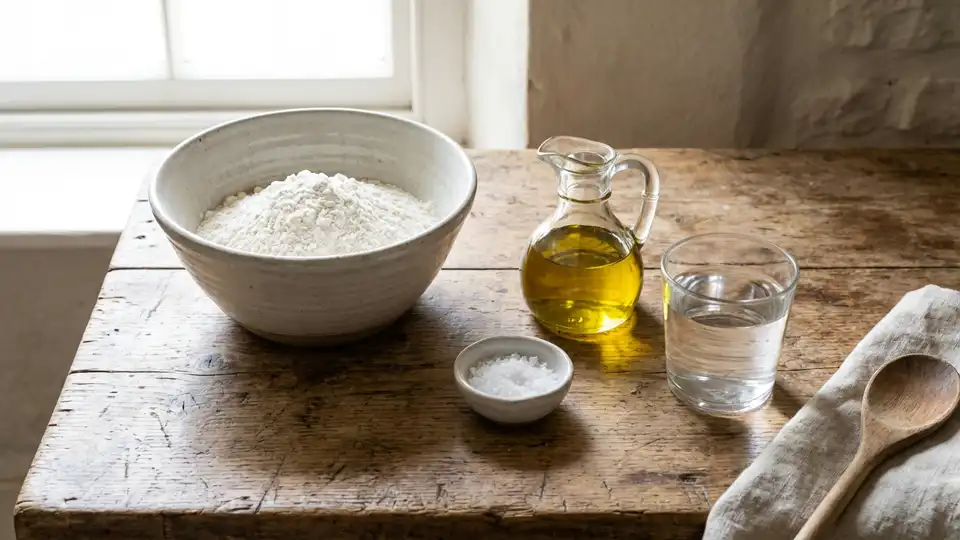
Most flatbreads are built from:
- Flour (plain flour is the easiest start)
- Water (warm helps bring dough together)
- Salt (structure and flavour)
- Fat (oil, yoghurt, butter, depending on style)
You can add extras later, herbs, seeds, garlic, but the foundation matters first.
The dough: what you’re aiming for
You want a dough that’s soft and smooth, not sticky and not stiff. If it’s stiff, the flatbreads will be tough. If it’s too wet, shaping becomes a battle and they won’t cook evenly.
Kneading matters, but it doesn’t need to be dramatic. Five minutes of steady kneading is usually enough to bring it together and make it elastic.
The most important step: resting
Resting is what transforms flatbread dough from stubborn to cooperative. It relaxes gluten so you can roll thin without the dough snapping back. It also improves tenderness.
If your dough fights you, it almost always needs more rest.
Rolling and thickness
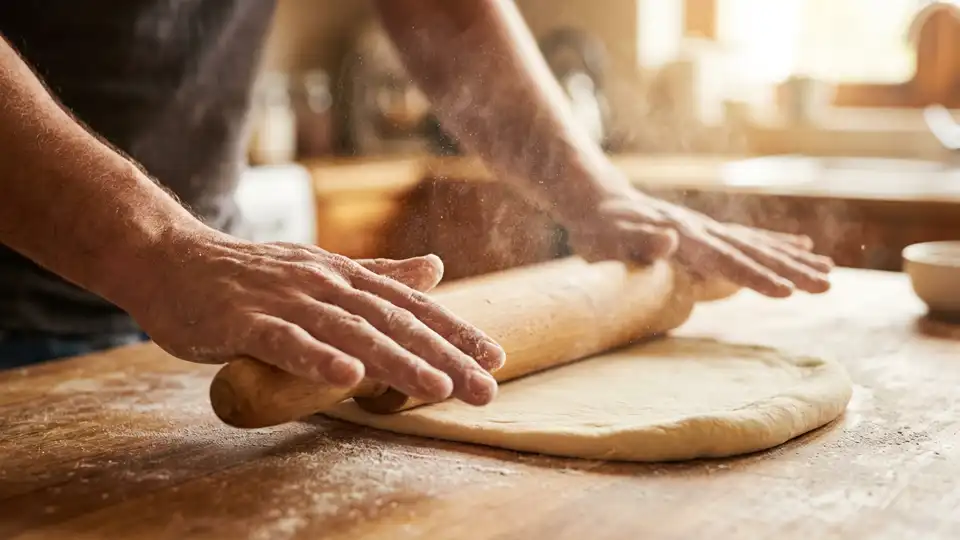
Thickness controls texture:
- Thinner = more flexible, quicker cooking, great for wraps
- Slightly thicker = softer, more bread-like, better for dipping
Try to roll evenly. Uneven flatbreads cook unevenly.
Cooking: heat and timing
Flatbreads need high heat. A heavy pan or cast-iron surface is ideal. You want the pan hot before the bread goes in, otherwise it dries out rather than blistering.
Cook until you see bubbles form and you get patches of colour, then flip. Don’t chase perfection. A few charred spots are a sign you’re doing it right.
Keeping them soft
As you cook, stack the flatbreads and cover with a clean tea towel. This traps steam and keeps them pliable. If you leave them exposed, they dry out fast.
Make ahead and storage
Flatbreads are great fresh, but they reheat well:
- Dry pan for 30–60 seconds per side
- Directly over a gas flame for a quick char
- Freeze between sheets of baking paper
Do I need yeast to make flatbreads?
No. Many excellent flatbreads are unleavened. Yeast gives a fluffier result but adds time.
Why does my dough shrink when rolling?
It needs more rest. Resting relaxes gluten and stops the dough springing back.
What pan is best?
A heavy pan or cast iron is ideal because it holds heat, which helps blistering and browning.