How to Grill Kebabs on Charcoal
Charcoal asks you to slow down.
You can’t rush it, and you can’t fake it. The fire needs time to settle. The heat needs to even out. And you need to be present enough to notice when something changes. That’s not a downside, it’s the reason kebabs taste so good over charcoal.
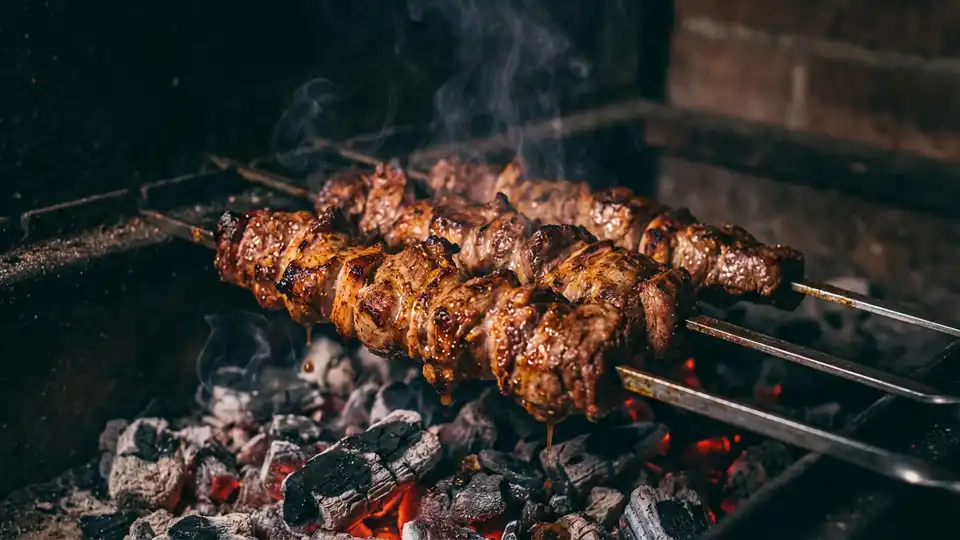
This is where kebabs make the most sense. Over real heat. Not roaring flames, but glowing embers. The kind of heat that browns gently, renders fat properly, and adds a flavour you don’t get anywhere else.
Why charcoal makes kebabs taste better
Charcoal gives you:
- High, dry heat for browning and crust
- Gentle smoke for depth
- A heat source that responds to how you place and move food
As fat drips, smoke rises, and kebabs pick up that unmistakable grilled character.
Getting the fire right
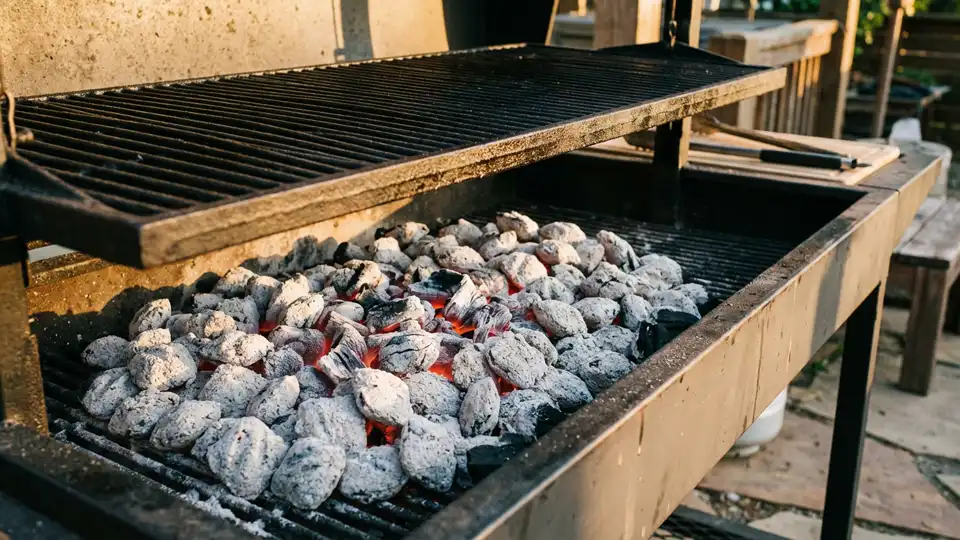
Light your charcoal and let it burn down until the coals are glowing with a light ash coating. At this point the heat is steady and predictable.
If you cook too early, flames are aggressive and you’ll burn the outside before the inside is ready. If you wait, you get control.
Creating two heat zones
You don’t need complicated setup. Just build:
- A hotter area directly above the coals
- A cooler area to the side for finishing
This lets you sear for colour, then move kebabs to finish gently.
Putting kebabs on the grill
Pat excess marinade off if needed. Wet kebabs flare up and scorch.
When kebabs hit the grill, don’t move them immediately. Let them make contact and develop crust. If they stick, they’re not ready to turn. Once they release naturally, you get better colour and less tearing.
Managing flare-ups calmly
Flare-ups happen. Move kebabs to the cooler zone, let flames settle, then move back. Avoid spraying water, it cools the grill and can create bitter smoke.
Knowing when they’re done
Look for:
- Deep colour without blackening
- A firm but springy feel
- Clear juices for chicken
If unsure, finish on indirect heat. Burning is irreversible, extra minutes aren’t.
Resting
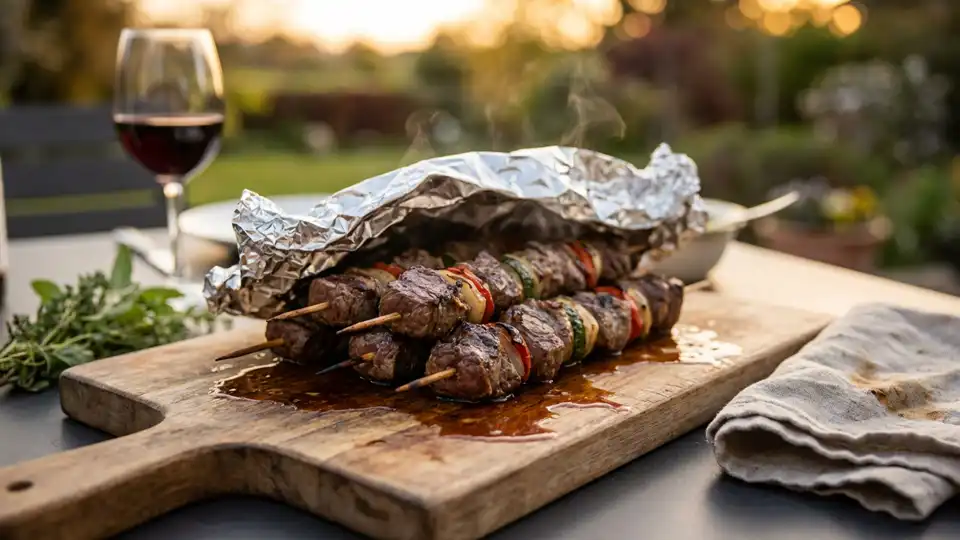
Rest kebabs for a few minutes before serving. It keeps them juicy and improves texture. This is the difference between “nice” and “proper”.
When is charcoal ready for cooking?
Charcoal is ready when it’s fully lit and covered with a light layer of grey ash. At this point the heat is steady and predictable.
Why do my kebabs burn on the outside but stay raw inside?
This usually means the fire is too aggressive or the kebabs are too close to the heat. Using both direct and indirect heat helps prevent this.
Should kebabs be turned often?
No. Let kebabs colour properly before turning. Frequent turning prevents good browning and dries the surface.